Research & Biotechnology
Cerebro Dynamics provides research infrastructure for institutions advancing biological and computational science under strong governance.
Understanding this sector in plain words.
We give medical scientists and university researchers a secure digital lab where they can organize huge DNA and laboratory files, work together across institutions safely, and turn scientific discoveries into life-saving treatments faster.
What is at stake.
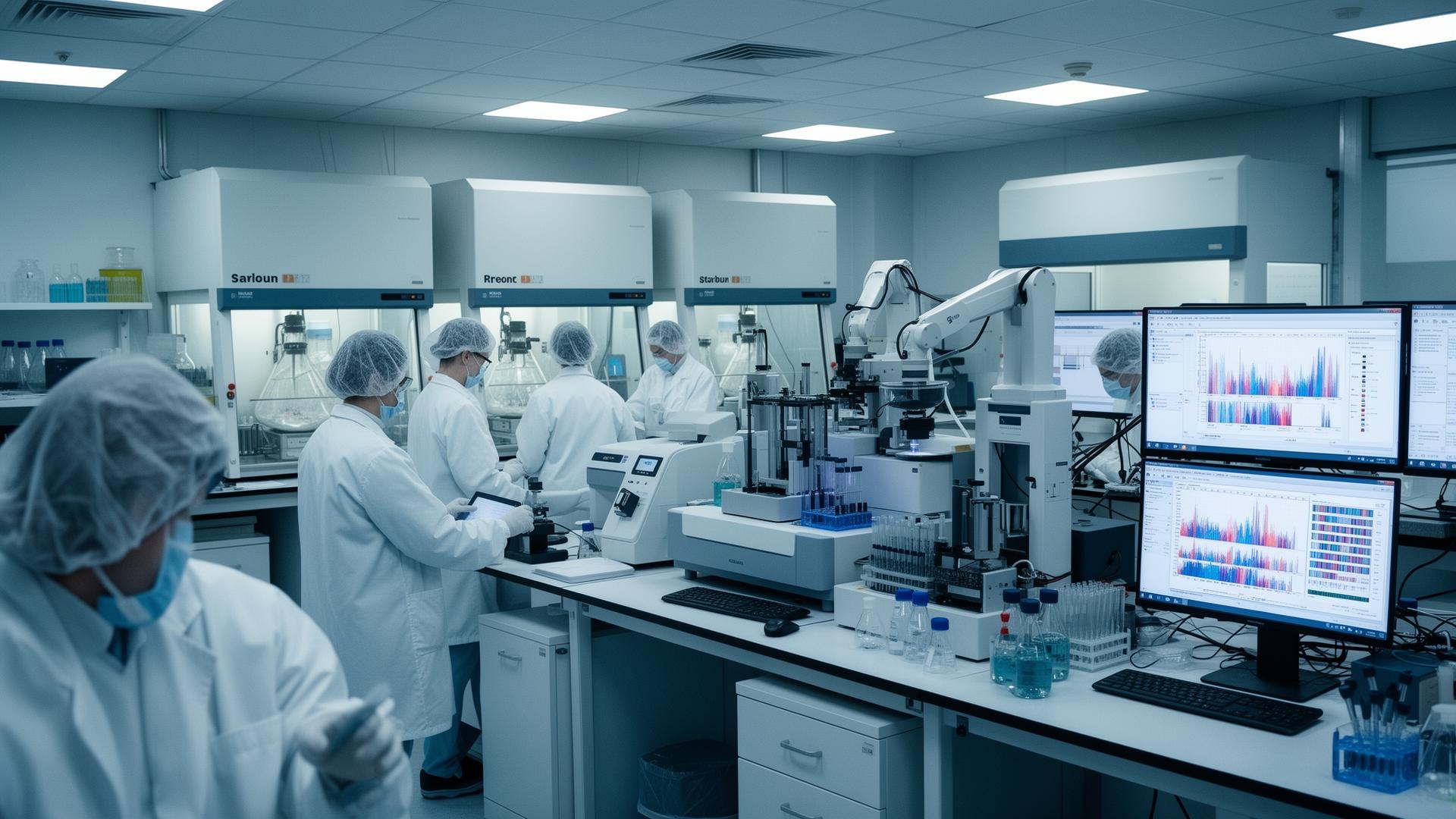
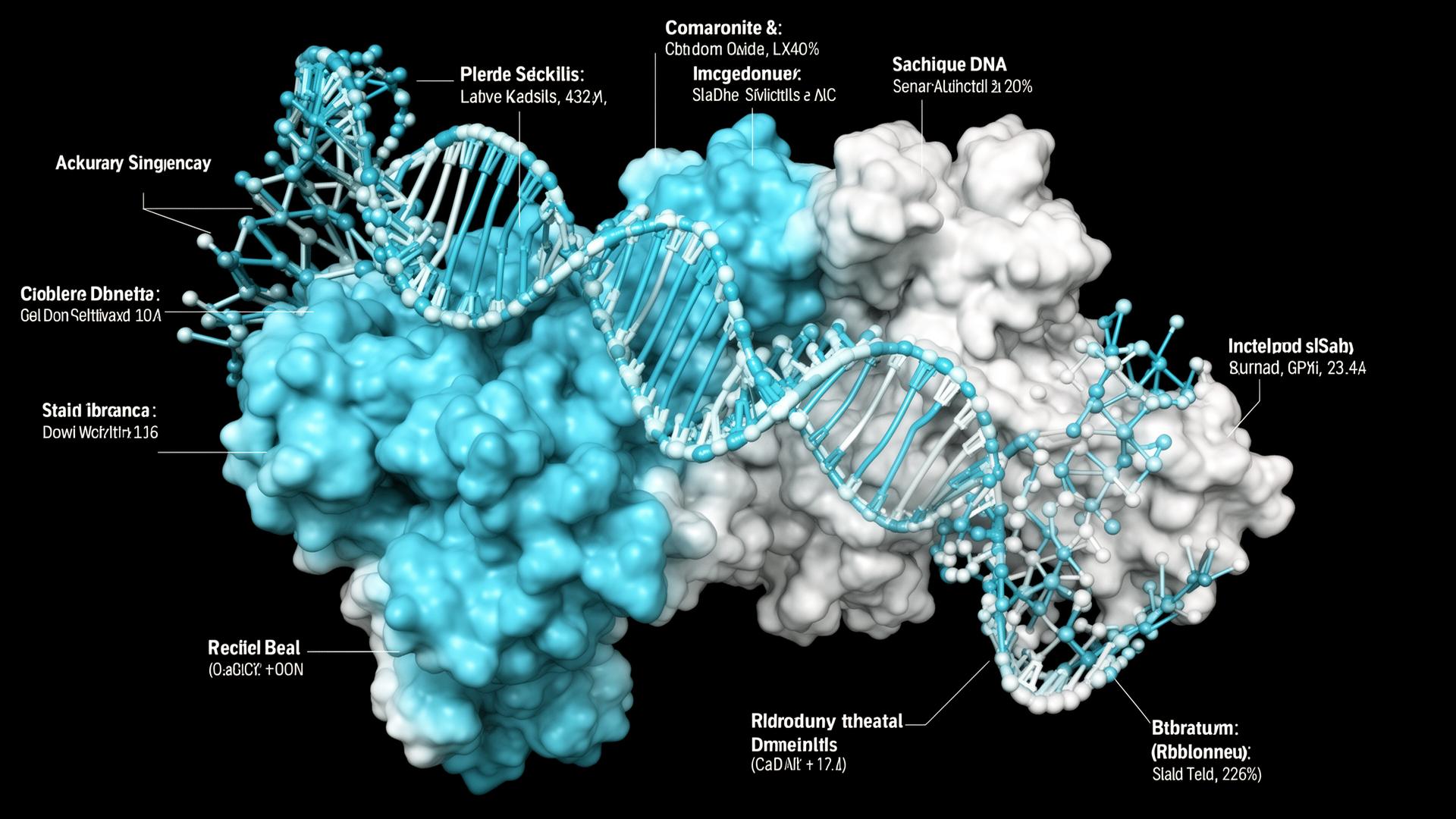
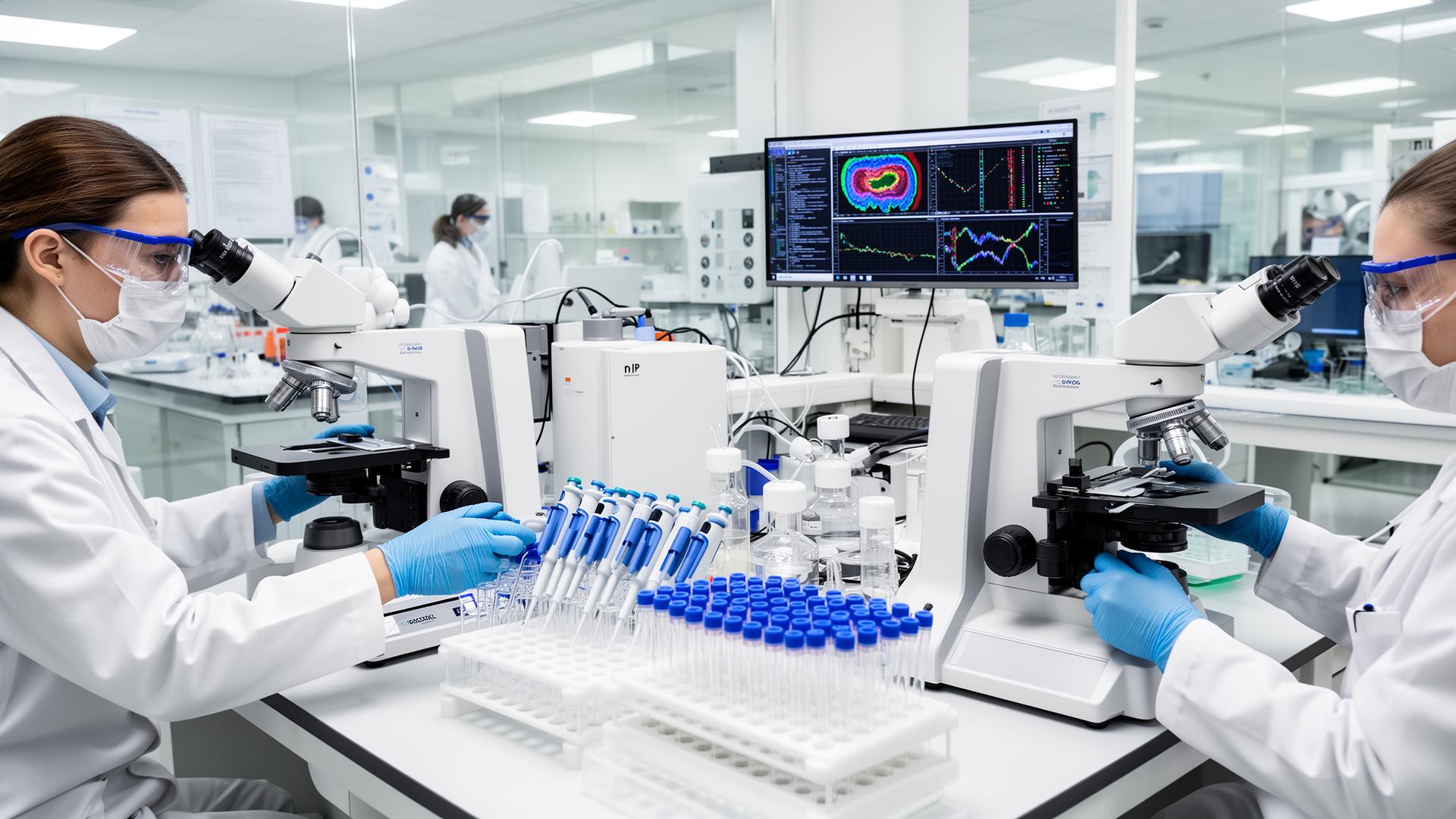
Universities, scientific research institutes, and clinical laboratories are doing essential work discovering new treatments for infectious diseases, sickle cell anemia, and agricultural crop resilience. Yet biological and genetic data is difficult to manage. Thousands of genomic sequencing files, microscope images, and clinical patient trials sit in isolated spreadsheets and hard drives. Cerebro Dynamics Research provides a secure scientific workspace where researchers can analyze large genetic datasets, run complex models, and collaborate safely across borders.
What we hear from operators.
- 01Multi-omic data without unified context
- 02Limited collaboration infrastructure across institutions
- 03Slow translation from research to application
- 04Reproducibility costs
How teams work together on the platform.
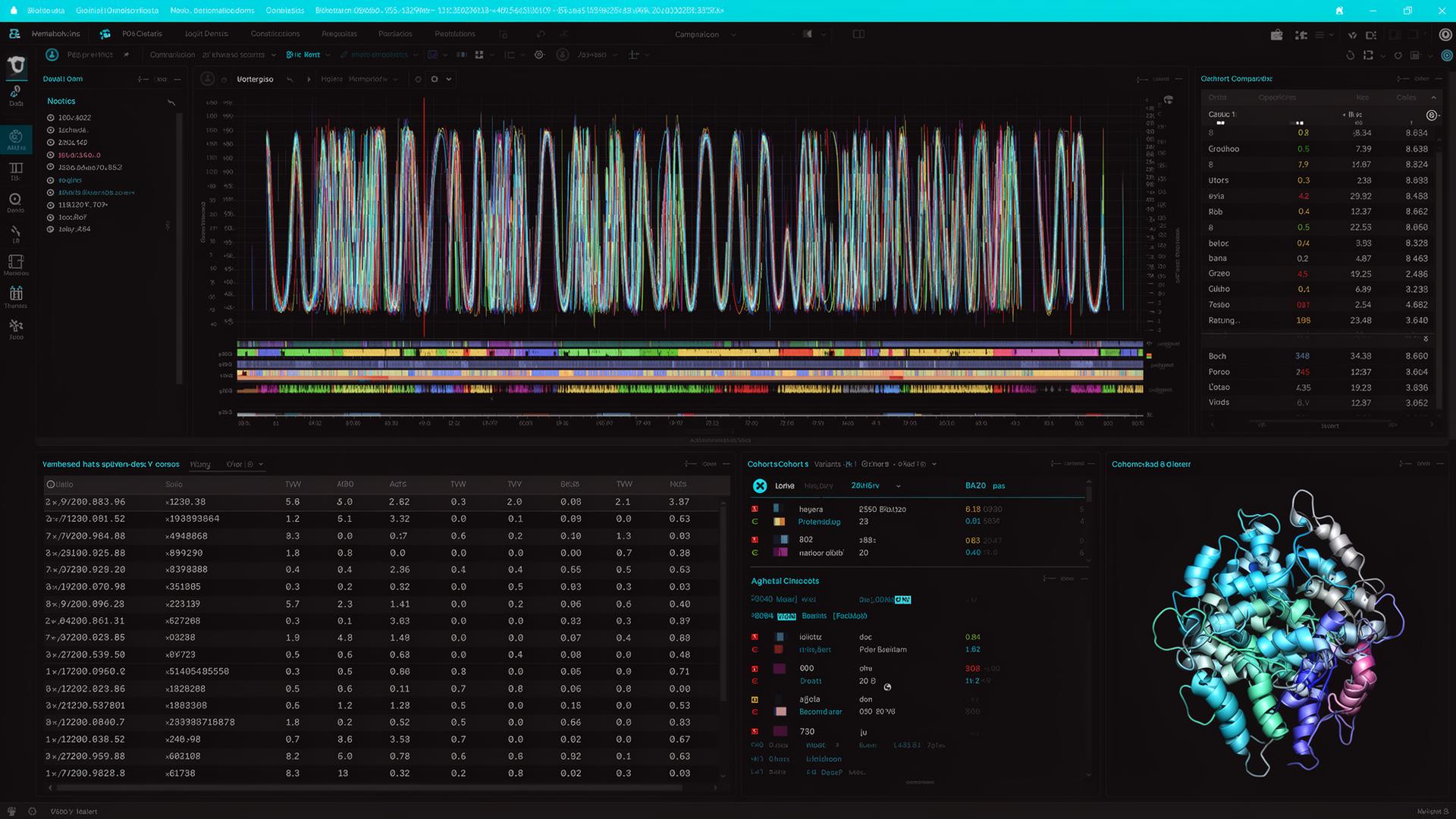
Imports DNA sequencing reads, protein analyses, and medical trial records into a structured, searchable catalog.
Anonymizes patient records and enforces strict institutional review board (IRB) ethical guidelines on all files.
Runs computational biology models and statistical comparisons across datasets from multiple partnering universities.
Tracks promising chemical compounds and therapeutic targets from initial laboratory bench tests to clinical trial phases.
How we engage.
A research data fabric with experimental metadata, model integration, and governed collaboration.
Real-world operational deployment.
Cross-Border Genomic Study on Sickle Cell Disease
Three medical universities in Kenya, Ghana, and South Africa wanted to compare patient genetic markers to understand treatment responses, but privacy regulations prevented sending raw patient DNA files abroad.
Used the Collab Bridge module to run federated analysis. The algorithms visited each university's local server, analyzed the data on site, and returned aggregated results without moving private patient files.
Researchers completed a landmark study on sickle cell pain triggers in six months rather than four years, publishing findings that helped improve patient therapies.
What deployment delivers.
What leaders ask before starting.
Systems, operations, hardware.